BLOG |
|
By Holly Blooflat 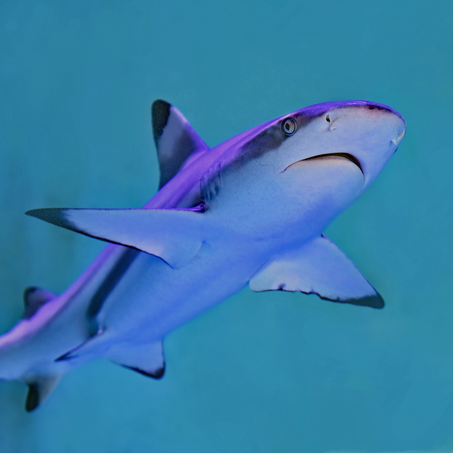 What is shark culling?Unknown to many, shark culling is the practice of mass slaughtering sharks as a response to an attack. Sharks are caught in various ways including nets, drumlines, dishing, and newer technologies.  Shark nets are set up in stretches near beaches to deter sharks from going close to shore. These nets do not reach to the bottom and do not stretch very far so sharks can swim around but it is believed to catch any sharks swimming toward the beaches. Drumlines are recycled oil drums that are used as buoys with long fishing line and bait attached. The hope with this method is to set up multiple drumlines in an area and catch the individual sharks approaching the shallower water. Newer technology is being developed to potentially create electric field barriers to keep sharks away from beaches. These practices were formerly used in Hawaii and Western Australia and are now used in New South Wales and Queensland, Australia. The goal is to reduce the risk of shark attacks by reducing shark populations, however, the practice has shown little to no success documented in decreasing number of attacks after a cull.  Why is culling not a successful means of reducing attacks? A commonly overlooked reason there is little to no success is because the risk of being attacked is already so miniscule. According the International Shark Attack File there were only five lethal shark attacks in the world in 2017 despite billions of people entering the water at any given moment. Media plays a role in the increased fear of shark attacks as reports are so uncommon that they always become major news and make it feel as though the attacks are more frequent. Another reason this practice is ineffective is because of the inaccuracy of culling. The species caught in the nets are frequently not the species of sharks the cull called for the killing of, which are commonly bull sharks and white sharks. 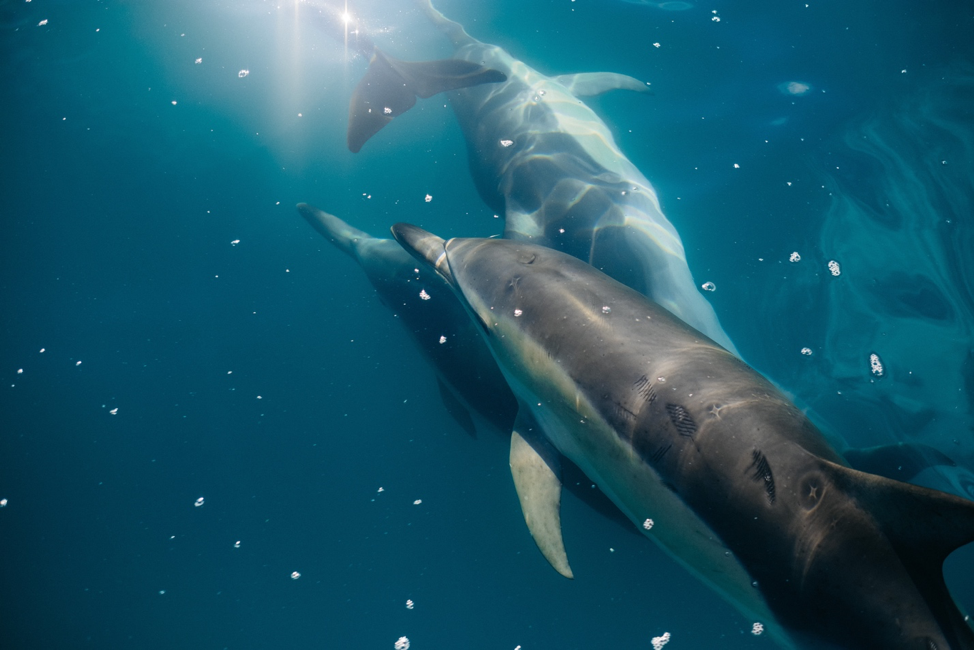 So why do we do it? Shark culling is a solution many find solace in after the loss of a loved one or community member. Following an attack in 2017, the Federal Environmental Minister, Mr. Frydenberg responded, “In light of the recent shark attack the Commonwealth would welcome any proposal to put human life first.” We, as humans, put our lives first and find comfort in knowing there are measures being taken to protect our species. Knowing that there are nets to deter sharks and lines to catch them provides a sense of safety for those who frequent the beach. Many people believe the cull to be important as there have been few proposed options of effectively preventing attacks and find there is no other solution. As Laura Banks points out in an article for The Telegraph, the author sees sharks as intentionally murderous creatures that are culling humans. This shows how common and easy it is to feel very strongly about the situation, place blame on sharks, and seek justice. For similar reasons, some people even enjoy fishing sharks for sport and find participating in culls to be a fun and rewarding experience. 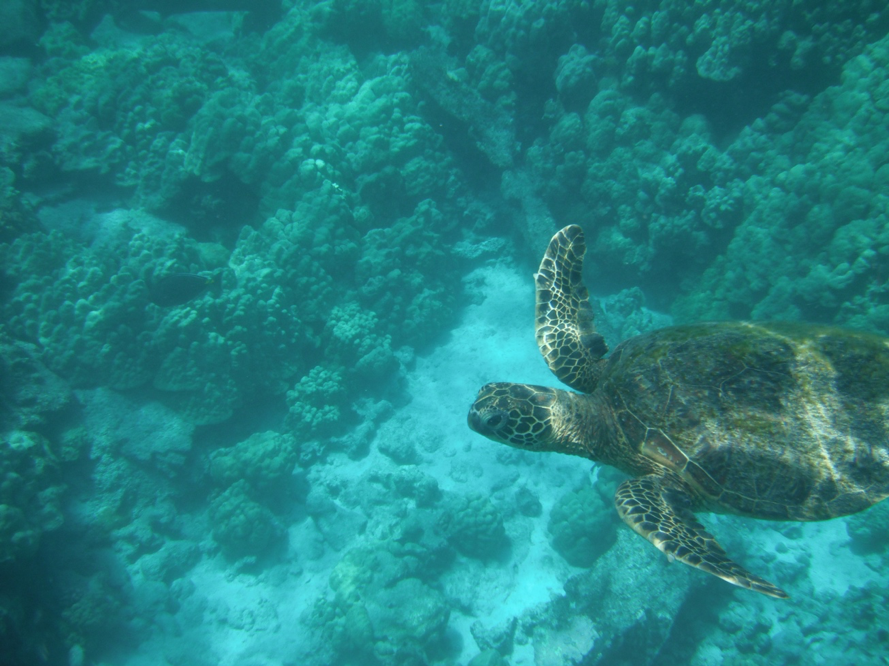 Should culling be stopped? There are many facts to consider when debating whether culling is justified. Sharks are the apex predators of the ocean and have the important job of keeping fish populations healthy and under control. Many of the species of sharks being caught are at risk of extinction and the balance of the ecosystem rests in their jaws. Sharks are facing a certain extinction with over 100 million of them being killed per year for their fins and for sport. Another important note is that it’s not only the sharks being affected by culling as many other oceanic animals get caught in the traps and die. Animals like dolphins, turtles, whales, and rays all suffer despite having no relation to the attacks. These animals commonly get entangled in the nets surrounding beaches with no way to escape and turtles were recorded to have frequently been caught on the drumline hooks, rendering them ineffective and providing free food for the sharks without getting caught. Culling has many unintended effects on the ocean wildlife and that has a large and negative impact on the ecosystem. The idea of a cull may seem appealing on the surface but the greater health of the world must be taken into consideration when determining if a shark cull is a necessary response to an attack on a human. We must ask ourselves, if a human went into the woods and got attacked by a bear, would we call for a cull of all bears? No. So is it rational to do it to sharks? You decide. REFERENCES Australian Marine Conservation Society. (n.d.). Shark Culling. Retrieved February 28, 2018, from link Dailytelegraph.com.au. (2018). When sharks eat people, it’s time to cull. [online] Available at: link [Accessed 20 Mar. 2018]. Fairclough, C. (2017, December 27). Shark Finning: Sharks Turned Prey. Retrieved February 28, 2018, from link Fatal attack reignites shark cull debate in Australia. (2017, April 19). Retrieved February 28, 2018, from link The Importance of Sharks. (n.d.). Retrieved February 28, 2018, from link RSPCA. (2017, July 11). What is the RSPCA position on the culling of sharks to reduce shark attacks? Retrieved February 28, 2018, from link Save Our Sharks. (n.d.). Shark Nets. Retrieved March 20, 2018, from link Yearly Worldwide Shark Attack Summary. (2018, February 06). Retrieved February 28, 2018, from link Author BioHolly Blooflat is a student at Minnesota State University, Mankato where she is obtaining her degree in biology with an emphasis on zoology. She hopes to continue her education in the field and obtain a doctoral degree. Once she has graduated her studies she hopes to seek out work doing conservation research or wildlife rehabilitation at home and around the world. In her free time she enjoys volunteering, fostering dogs, rock climbing, hiking with her rescue dogs, and traveling. Holly has a passion for helping those who have been silenced or who cannot speak for themselves and does so in her advocacy for human and non-human animal rights activism.
Comments are closed.
|
ABOUT
This is a website about nonhuman animals, written by human animals taking a Society and Animals class at Minnesota State University, Mankato. Archives
November 2024
Categories
All
|
 RSS Feed
